Episode Transcript
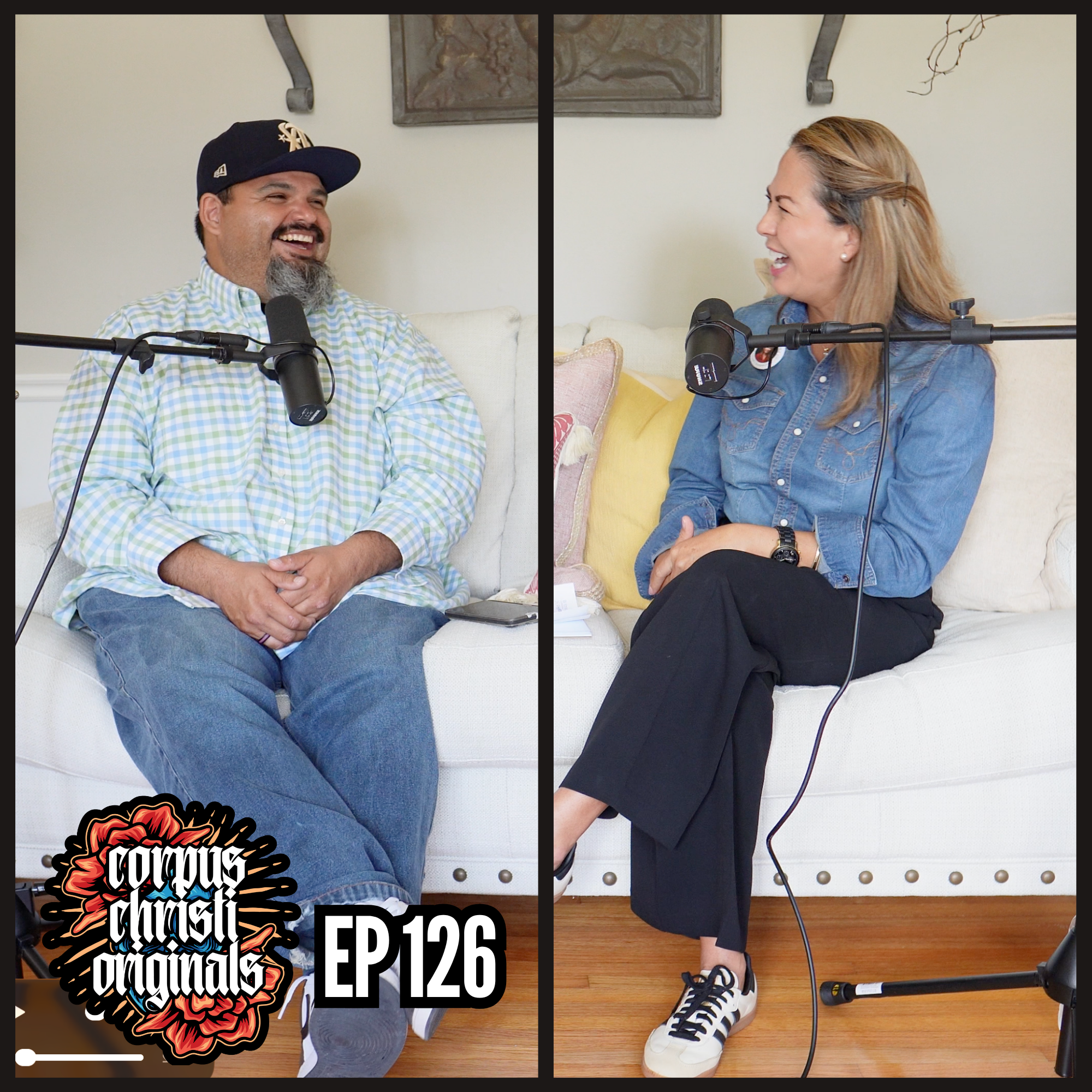
[00:00:00] Speaker A: What's going on, y'? All? Welcome back to the Corpus Christi Originals podcast. Today I have Laura Commons with us.
[00:00:04] Speaker B: Hey there.
[00:00:05] Speaker A: Laura Flores, Commons.
[00:00:06] Speaker B: Right. Laura Flores, Commons.
[00:00:07] Speaker A: Okay, cool.
So welcome back to the show. So we linked up through John hanselick.
[00:00:14] Speaker B: Yes.
[00:00:14] Speaker A: District 5, right.
[00:00:15] Speaker B: Yes. Yeah. He's running for District 5.
[00:00:17] Speaker A: Okay.
[00:00:18] Speaker B: Nice guy. Great guy.
[00:00:19] Speaker A: Yeah, for sure.
[00:00:19] Speaker B: Yeah.
[00:00:20] Speaker A: So you're doing District two.
[00:00:21] Speaker B: I am running in District two, which is where we're sitting.
[00:00:24] Speaker A: Yes.
[00:00:24] Speaker B: This is District two.
[00:00:25] Speaker A: Cool, cool, cool.
[00:00:26] Speaker B: Basically, if you think about, like, Spawn. Shoreline.
[00:00:30] Speaker A: Yes.
[00:00:30] Speaker B: All the way to Tamu CC, and then it widens almost all the way to Spid.
[00:00:35] Speaker A: Yeah.
[00:00:36] Speaker B: That's all of District 2.
[00:00:37] Speaker A: Yeah. It's the smallest district. I looked it up on the. On the. The graph or whatever it is.
[00:00:41] Speaker B: I know. It's kind of interesting because, like, to me, it feels like it's huge, but it. But it is. It's actually one of the smaller districts. You're right.
[00:00:47] Speaker A: That's interesting. You covered TAMU cc.
[00:00:49] Speaker B: Yeah.
[00:00:50] Speaker A: Or the district. District two does.
[00:00:51] Speaker B: Yes.
[00:00:52] Speaker A: Wow, that's. That's interesting. It's like, what kind of problems they got out there, you know? I'm just thinking of that. You know what I mean?
Wise. But so we mentioned some ST Volunteer, I guess. Do you want to maybe introduce yourself?
[00:01:05] Speaker B: Yeah, I would love to. I would love to.
I have lived in Corpus Christi my whole life.
I've lived in District 2, actually, my whole life.
[00:01:13] Speaker A: Really?
[00:01:13] Speaker B: I grew up on 17th street, and then we bought our first house in Lindale subdivision.
[00:01:18] Speaker A: Yes.
[00:01:19] Speaker B: That's like, you know.
You know, vacie.
[00:01:22] Speaker A: Lindell. Yeah, yeah.
[00:01:23] Speaker B: Forest. All those streets.
[00:01:24] Speaker A: I grew up near Ralston, so kind of in the.
[00:01:26] Speaker B: Yeah, Actually, Ralston is Lindell.
[00:01:27] Speaker A: Yeah, Lindell. Yeah, for sure.
[00:01:28] Speaker B: So. So then we bought our first house there, and then, of course, we bought this house, and we've been in this house for more than 20 years, so. Wow.
[00:01:35] Speaker A: That's cool.
[00:01:35] Speaker B: This is a nice house. And this is Pope Place, and. And, you know, so. So we've been in District 2 our whole lives.
[00:01:40] Speaker A: Thanks for. Welcome. Welcome. Welcoming me in your house.
[00:01:43] Speaker B: Yeah, yeah, no, absolutely. And of course, I. I think I told you. Jesus. You know, I have two kids. You know, I have a son. He. He lives in. He lives in the Fort Worth area, and he's an Arlington firefighter. And my daughter lives here, and she's a. A CCPD police officer.
[00:01:59] Speaker A: Yeah. Yeah. Yeah.
[00:01:59] Speaker B: That's cool.
[00:02:00] Speaker A: Yeah. It's. So, like, have you ran. Have you ran for city council before?
[00:02:05] Speaker B: Oh, no. No.
[00:02:06] Speaker A: Okay. Why yeah.
[00:02:08] Speaker B: This is new to me.
[00:02:09] Speaker A: This is new to you. Okay.
[00:02:10] Speaker B: Okay.
[00:02:10] Speaker A: Do you. Oh. Do you feel like you have to, like, mention, like, your. I guess, like. I guess show your resume to people? You know what I mean?
[00:02:17] Speaker B: I think it's important.
[00:02:18] Speaker A: Is that how you feel?
[00:02:19] Speaker B: I think it's. I think it's important, you know, I think it's important that. That you be able to show that.
That you've had interest in serving the community before you decided to run.
[00:02:28] Speaker A: Okay.
[00:02:28] Speaker B: I mean, I would like to see that in a candidate. I mean, wouldn't you? I would, yeah. You know, that. That they didn't just decide, you know, oh, now I'm interested in serving.
[00:02:36] Speaker A: Yeah.
[00:02:37] Speaker B: You know, I've been serving this community for 30 years.
[00:02:39] Speaker A: Right, right, right.
[00:02:40] Speaker B: In one way or another, I have served this community for. For over 30 years. Wow. And you know, in what capacity? I've had a lot of appointments. I've never run for an elected position, but most recently, I sat on the water conservation committee.
[00:02:57] Speaker A: Okay.
[00:02:58] Speaker B: And that was to rewrite the water conservation plan for this city.
[00:03:01] Speaker A: Okay.
[00:03:02] Speaker B: So I sat on that. And appointed to the ethics commission, which is a really important one. Now. I was an ethics commissioner. That's been in the news. I think you and John actually talked about that.
[00:03:12] Speaker A: Okay. What is ethics commission?
For those of us who don't know.
[00:03:15] Speaker B: Yeah, absolutely. So the ethics commission was put together. Its only function is to make sure that appointed officials and elected officials are acting in an ethical manner. That's their whole function.
[00:03:28] Speaker A: Oh, wow.
[00:03:30] Speaker B: So it's very important.
And so, like, any concern that comes before the city, it goes to the city attorney first. And then if he finds any validity with that, then it goes to the ethics commission, so that way we can review it.
[00:03:48] Speaker A: Wow.
[00:03:49] Speaker B: Yeah.
[00:03:49] Speaker A: Amazing.
[00:03:50] Speaker B: And then from there, if we find that something was done wrong, we would then make a suggestion or, you know, to the council in reference to what we believe should be done in reference to. Wow. You know, the complaint.
[00:04:03] Speaker A: And so the ethics commission is appoint. Appointed.
[00:04:07] Speaker B: They're appointed. And. And what that means is, you know, each council member or they're. They're appointed by the council, I guess I should say.
[00:04:14] Speaker A: Okay. So they vote for you or whatever they put you guys.
[00:04:16] Speaker B: So we would put in our application, and then they decide who they would like to see on that commission.
[00:04:21] Speaker A: Is this. Is this like a. Like, Vol. Okay. Do you. Is. Are you compensated for your time there? Okay.
[00:04:26] Speaker B: No, it's volunteer.
[00:04:27] Speaker A: Volunteer. Okay. Okay.
[00:04:28] Speaker B: Right on. Wow.
[00:04:29] Speaker A: So you're on the ex. YouTube pointed to that. And then the water conservation that. So. So obviously, let's just touch on it right now, because obviously we need. I think we need to talk about it, but not, like, in depth, like. Like we mentioned earlier.
Because. Because I know, like, people can get heated debate and all this other stuff, and you have. We have our own opinions. I just want to share what. What your thoughts are on the issue. Yeah. So water conservation, did you touch on any of the issues that are, I guess, talked about?
[00:04:59] Speaker B: We had a lot of conversations in reference to water, of course, and all the different ways that the water situation is affecting us. I think what's most important for people to understand is that what's going on with us in reference to our water shortage goes way beyond being able to turn on your tap and have water, because now the fact that we're having to find water elsewhere other places, it's actually affecting our relationships with, like, all the other regional leaders, you know, so, like, you know, you think about, you know, Jim Wells and San Patricio county, you know, all of those other counties that we have to have a relationship with, you know, ongoing in the future, you know, they're not real happy with the fact that we're having to use water.
[00:05:43] Speaker A: To use their water.
[00:05:44] Speaker B: Yeah. Wow. Yeah. So it affects that. You know, our water shortage also affects tourism because you have people that think they're gonna come to Corpus Christi and actually not have water. And we all know that's not right. But that's what they think. You know, that's what they think. So our water situation goes so beyond just being able to turn on your tap and making sure that we have water, you know, so, you know, we've had businesses that have already wanted to come to Corpus Christi, and we can't have them come right now because, you know, we can't assure that we're gonna have water for them.
[00:06:14] Speaker A: Wow.
[00:06:14] Speaker B: So it's affected us economically. And by the way, I haven't even said this, but, you know, I've been a real estate agent here in Corpus Christi for 26 years, so, you know, it has also affected real estate. You know, our.
Our numbers are down from last year, 16%.
[00:06:29] Speaker A: Wow.
[00:06:30] Speaker B: So. So it affects everything. And it's not. It's going to affect. It is affecting us right now.
[00:06:36] Speaker A: Wow. It makes me think about, like, how. How the more we talk about it, the more everybody sees it and the more they have their opinions. Like, you're saying, like, we're being affected by people that are just watching.
[00:06:46] Speaker B: Yeah.
[00:06:46] Speaker A: You know what I'm saying, like, two
[00:06:47] Speaker B: weeks Well, a decision needs to be made.
[00:06:49] Speaker A: Okay.
[00:06:50] Speaker B: Yeah. You know what? That decision.
I'm not stuck on any one water project. I just want some. You know, I want the council to move forward with a water project. Something like that's the best thing that could happen for us, you know, so, you know, if they're not going to support the Inner harbor project, you know, that's. That's fine, but we need to move forward with another project, and we need to do it ASAP, because we don't. We don't have eight years, 10 years to fix our issue.
[00:07:18] Speaker A: Okay. And so. Okay, so once it seems like you're looking at, from the standpoint, like, we need to have some type of decision made so that way our economy could keep.
Keep moving.
[00:07:29] Speaker B: That's exactly right.
[00:07:30] Speaker A: Okay.
[00:07:30] Speaker B: Yeah.
[00:07:30] Speaker A: Okay, that's interesting. You're talking about the real estate industry.
So I guess from your point of view, like, what is. What do you think it looks like now? Or.
You know what I mean? Like, what's your. How does it look right now from. From your standpoint? I guess.
[00:07:46] Speaker B: Well, I mean, that's kind of. You know what I was saying, it's already affecting us in a negative way because, you know, our sales are 16. 16 is a lot.
[00:07:54] Speaker A: Okay. Yeah, I don't know that. So. So that's a lot.
[00:07:56] Speaker B: Okay, That's a lot. You know, so. So it's worrisome, you know, and as real estate agents, because that's. That's all I talk to all day is, you know, people in the real estate market, I think everybody is concerned. You know, they're concerned about that. So.
[00:08:09] Speaker A: Wow. Okay.
[00:08:10] Speaker B: I will tell you that, you know, you know, we. We could talk about water all day, but there's so many other issues and. And subjects in reference to the city that deserve, you know, to be talked about.
[00:08:22] Speaker A: Yeah, let's talk about that. So, yeah, y. Some issues that. That we should be paying attention to.
[00:08:27] Speaker B: Well, you know, CCFD and ccpd, they're very important to our city because they're. They're who keep us safe. Right.
[00:08:34] Speaker A: Yes.
[00:08:34] Speaker B: You know, and I know that CCPD is short patrol officers because I just went to, you know, one of their meetings.
[00:08:42] Speaker A: Short patrol. You can move the whole stand.
[00:08:43] Speaker B: Okay.
[00:08:44] Speaker A: Short patrol officers.
[00:08:45] Speaker B: Yeah. So in other words, they need more officers. They know.
[00:08:48] Speaker A: Oh, okay. Oh, yeah.
[00:08:49] Speaker B: Short. And.
And, you know, the concern with that is we don't want to overwork the officers that we have right now.
[00:08:56] Speaker A: Right.
[00:08:57] Speaker B: Because the last thing you want is a tired police officer going to a call at 3 in the morning and finding himself in a really scary predicament.
So it's really important that we keep them staffed well, but they're taking applications. They don't have enough applicants. I can't believe more people aren't applying for ccpd. My daughter's police officer. I think I share that.
Yeah. And, you know, they're, they're.
Their health care benefits are impeccable.
[00:09:29] Speaker A: Okay.
[00:09:30] Speaker B: I mean, they're, they're fully paid for. Fully paid health care.
[00:09:33] Speaker A: Oh, wow.
[00:09:34] Speaker B: Can you imagine?
[00:09:34] Speaker A: That's amazing.
[00:09:35] Speaker B: I mean, that, that, that in itself should be enough reason to, to apply for ccpd.
[00:09:40] Speaker A: That's interesting.
[00:09:41] Speaker B: Yeah. So. So anyway, that, you know, some, some.
[00:09:44] Speaker A: The fire department. The fire department as well.
[00:09:46] Speaker B: Yeah, the fire department as well. And something that's kind of interesting about the fire department is that you get, you know, right, right out of the academy, you're going to get 15 days paid vacation. You get 15 days sick pay. I mean, that's, you know, you get 10 holidays off.
[00:10:02] Speaker A: Okay.
[00:10:03] Speaker B: You know, paid, paid holidays off. So, you know, if, you know, anyone looking for a job, please, you know, go and apply for ccpd.
My kids have made a very good living for themselves, you know, working for, you know, police departments and fire departments.
[00:10:18] Speaker A: So you're so, so you're pushed. Like, I guess this is an issue that you would like to.
Is it because it's close to your heart? Because maybe your husband is involved. Was involved, and you're. You know what I mean?
[00:10:28] Speaker B: Well, I think that my family has maybe a closer connection to.
To first responders because of the fact that we have so many first responders in our family.
But if you think about it, you know, if CCPD is not staffed, well, the less police officers they have on the street, the less safe we are. But the less safe they are, you know, police officers are also not going to be safe because they don't have the backup that they need. So that's, that's why.
Absolutely. It's near and dear to my heart because of my family, but it's also near and dear to my heart because it affects all of us. You know, for sure, public safety should always be a top priority for all of us.
[00:11:04] Speaker A: Yeah, we don't think about that for sure enough. Yeah, a lot of us have a bad attitude towards, like, police officers and stuff like that.
[00:11:11] Speaker B: And I just. And I think maybe, maybe you need to answer this, but does it have to do with, with ice, you know?
[00:11:18] Speaker A: Nah, it's more just. It's just like the culture, like how we grow up the way maybe the way police officers, because like the way we see it is like not all police officers are. Have the best intentions.
[00:11:30] Speaker B: Okay.
[00:11:31] Speaker A: You know what I mean? Like some police officers may take advantage of their position.
[00:11:34] Speaker B: Yeah.
[00:11:35] Speaker A: And I, and I think some of us like side on that. Err on that side instead of the good side. You know what I mean? Like, oh, all police officers are like this.
[00:11:45] Speaker B: Yeah.
[00:11:45] Speaker A: You don't wanna, you know what I mean?
[00:11:47] Speaker B: And I have to say there is good and bad in any profession, of course, you know, and no one's going to be able to say that, you know, there aren't, you know, police officers that maybe aren't in the position for the right reasons.
So. I understand, I understand that concern. But I will tell you this. You know, Chief Markle is impeccable. You know, he is a great chief of police and I don't know that he is the type of chief that would stand for that, you know? Yeah. You know, so I have to have that belief, you know, that he is good leadership and you know, would not stand for that. That sort of police officer on his staff, you know.
[00:12:27] Speaker A: Yeah, of course. And like, you're right. Like it's in every industry. It's everywhere.
I guess it's how, how you want to live it.
[00:12:34] Speaker B: Yeah.
[00:12:35] Speaker A: Through your experience and not somebody else's.
[00:12:37] Speaker B: Yeah. You know, and ultimately, I mean, we, we don't have anybody else we can call. You know, there is nobody else we can call where, when we're in trouble, you know, we, we have to call an ambulance. We, we have to call the police if we're in an accident or we get broken into or you know, that type of thing. So, so, you know, we, we have to take care of them so they can take her, take care of us.
[00:12:59] Speaker A: Right on, right on. That's a good issue. That's a good issue to talk about. We don't, we're. It's usually water or roads or something like that. Is there any other issues that I guess city council members or even you like would want to talk about other than those?
[00:13:13] Speaker B: Well, in reference to District 2, I mean, we also, you know, we also have, you know, animal care situation, you know. Yeah, yeah. You know, because we, we have a lot of stray animals in district.
[00:13:24] Speaker A: There's a lot of. Yeah, you're right.
[00:13:26] Speaker B: Yeah. See, you, you already know. Everybody knows that. Everybody knows that.
[00:13:29] Speaker A: You know, see, I'm in District one, which is kind of butted up to District two, I guess.
[00:13:33] Speaker B: Yes. Yeah.
[00:13:34] Speaker A: You know what I mean? So we there's an animal problem on that side. Yeah.
[00:13:37] Speaker B: Yes, there. Yeah, there is. I mean, there's. There's cats everywhere, you know. Yeah. So. So that's something else that really needs some focus. And I did. I did meet with them, you know, because I am trying to learn as much as I can about, you know, all we have other than water.
[00:13:51] Speaker A: You're talking about the animal shelter or animal care.
[00:13:54] Speaker B: Yeah, Corpus Christi animal care. Yeah. And there's actually. There's a lot of other programs that help with. That's so you keep getting distracted out the window. Right. Because it's like, what's going on?
[00:14:04] Speaker A: Yeah, you got a cool view.
[00:14:07] Speaker B: But anyway.
But I. I did meet with them because I wanted to kind of learn a little bit about what's going on with them and, you know, maybe what we could do differently to. To fix the problem that we have. Oh, yeah, because we definitely have a problem, you know, And. And these are. These are living beings.
[00:14:23] Speaker A: Okay, so. So what are the problems? Well, it's just because they're out there. They're in people's yards.
[00:14:27] Speaker B: Like, I think it's, you know, we. We have maybe owners who allow their pets outside and. And, you know, they're reproducing and. And then, you know, we have all these spray, you know, stray animals.
[00:14:38] Speaker A: Stray animals?
[00:14:38] Speaker B: Yeah. Or, you know, there's actually a city ordinance, and a lot of people don't know this. Jesus. But there's a city ordinance that says that if your pet is older than six months, you're supposed to get it spayed or neutered. And the reason for that is, so that way we don't have a lot of litters of puppies and kittens that we can't take care of. So. Because what happens is somebody will have a cat and let the cat out, and all of a sudden they have eight kittens, and they're having to give these kittens away. Well, number one, who are these kittens going to? You know, and we. We don't ever want, you know, cats and dogs going to people who are not going to take care of them. You know, we're not going to be good to them.
So. So what the city did is in hopes of eliminating the number of stray animals we have, they, they. They did the city ordinance, you know, they, they.
And so the idea is that if you have an animal, you know, you have to have it spayed and neutered. And. And by the way, you know, you can get it spayed and neutered, I think, through animal care. I don't remember what the price is, but it's very minimal. It's not very much. Yeah. And by the way, because they have so many animals, and it's worth knowing right now through July 25th, if you adopt an animal from Animal Care, they don't even have an adoption fee. And they do everything for you. They microchip the animal, they treat it for fleas, they spay and neuter it. I mean, they do all of that for you, and it doesn't cost you a dime.
[00:16:15] Speaker A: We just got. We just got a dog from there.
[00:16:16] Speaker B: Did you really?
[00:16:17] Speaker A: She's got the chip.
I think the fee was waived. I think it was sponsored by some attorney law.
[00:16:24] Speaker B: That's awesome.
[00:16:25] Speaker A: Something or other. But.
[00:16:26] Speaker B: Yeah.
[00:16:26] Speaker A: Yeah, yeah, yeah. Layla's our dog's name. She's. She's a rock mix. Yeah, yeah, yeah. She's. She's awesome.
[00:16:32] Speaker B: And.
[00:16:32] Speaker A: But we. We've been where we're at for a while, and there's a ton of cats over there. I know, but. And we even took a couple of them, man. We would feed them and stuff. We got them neutered and just let them stay there at the house. They passed away already.
[00:16:45] Speaker B: Yeah.
[00:16:45] Speaker A: And. But yeah, we. I mean, we love animals and stuff like that. I just didn't realize how much of an issue or. Or that it is. That it is an issue.
[00:16:52] Speaker B: You and I know that just by going outside and.
[00:16:54] Speaker A: Yeah.
[00:16:55] Speaker B: You're seeing all the animals that are out there.
[00:16:56] Speaker A: It makes me think of the raccoons. Have you seen the raccoons out there?
[00:16:59] Speaker B: We have raccoons.
[00:17:00] Speaker A: Yes, we do.
If you go.
We do. Oh, my gosh.
[00:17:06] Speaker B: Okay. I know about the possums. I didn't know.
[00:17:07] Speaker A: Let me tell you. Sorry. My. My grandmother lives in the Quaranta neighborhood in Mohawk.
[00:17:12] Speaker B: Yeah.
[00:17:13] Speaker A: And there was a. There was a dead raccoon.
[00:17:15] Speaker B: Oh, my.
[00:17:16] Speaker A: And my cousin was like. Yeah. When you start seeing raccoons in the hood.
No, but they're. Yeah, they're out there. Like, it's. It's. I mean, yeah. I was on a recent interview, the lady was talking about birds. You know what I mean?
[00:17:30] Speaker B: Okay.
[00:17:31] Speaker A: Well, this is the birdiest city, huh?
[00:17:33] Speaker B: Oh, yeah. Yeah. The birdiest city. It is the birdiest city. But I didn't know this. Did you know that animal care actually takes in all kinds of animals?
[00:17:39] Speaker A: Are you serious?
[00:17:40] Speaker B: It's not just about. It's not just about dogs and cats. They. They actually. They told me while we were there. They've taken in pigs.
[00:17:45] Speaker A: What?
[00:17:45] Speaker B: They've taken in goats. They've taken in birds. That's what reminded me you said birds. And, you know, they've had to take in birds, too, you know, so. So I didn't know that. But, you know, they. You know, they. They are going to rescue all kinds of animals, not just cats and dogs.
[00:18:00] Speaker A: I mean, the raccoons, it doesn't seem like they're like. Like the cats, like, where. They're everywhere you can see them. They're only in, like, certain areas. Like, that's interesting. Like, if. Not if. Okay. On the way to Portland, there's a pier at the end point, I think it's called.
[00:18:13] Speaker B: Yes, yes.
[00:18:14] Speaker A: Well, in that area, they're like, in the trap, people feed them. Like, there's people. There's videos on TikTok. People feeding them. Like, they're. Hey, check out these, Pat, these not pandas.
[00:18:22] Speaker B: Okay.
[00:18:22] Speaker A: They can be mean raccoons and stuff. Yeah, those.
[00:18:25] Speaker B: Surprise. I'm surprised that people are feeding them. I mean, they can be.
[00:18:28] Speaker A: Yeah, they're out there. You know what I mean? We've seen them a couple times, and it's. It's. They're out there.
[00:18:33] Speaker B: It's fun. Yeah.
[00:18:34] Speaker A: Even like at the plant. I work at the plant. You see skunks sometimes at the plant.
[00:18:37] Speaker B: Oh, yes, Skunks I've ever heard about. Yeah. Actually, I got to say, block walking has been pretty interesting. I'll tell you a little story.
You know, I've been block walking for months now, and I went with a friend of mine to a house, and. And, you know, we walked away from the house, and I was like, man, it smells like a skunk around here. There's a skunk somewhere. And my friend was like, laura, that's no skunk.
[00:18:57] Speaker A: That's not skunk.
That's funny.
[00:19:00] Speaker B: That's not a skunk. Okay,
[00:19:04] Speaker A: man.
So you. So. So you still. So why'd you decide to run for city council, District two?
[00:19:11] Speaker B: Well, I think I might have already mentioned this, but, you know, I've been volunteering for the city for a really long time.
[00:19:15] Speaker A: Yeah, so you were for working for Casa for you. So you spent nine years on the board of casa, the Costa band?
[00:19:21] Speaker B: Yes. Yeah. And then I'm on the Ronald McDonald House. Right now. I sit as secretary. I'm the secretary for Ronald McDonald House. And then I also sit on American Heart association board. That's because of my husband.
[00:19:32] Speaker A: Why are you doing all this, though? How come?
[00:19:34] Speaker B: Well, that's what I was going to tell you. Like, you know, the American Heart association has used that's because, you know, my husband passed away from a heart attack, you know, so, you know, that's what got me involved with the American Heart association, because, I mean, he was. He was great guy, you know, and, you know, when you lose someone like that after 28 years of marriage, you know, you want to honor them somehow, you know, so that is my family's way of honoring him, is that we've always been involved somehow with American Heart Association. And he actually started it because he had his first heart attack when.
Well, in 2016.
[00:20:09] Speaker A: Yeah.
[00:20:10] Speaker B: And he got involved with American Heart association because of his heart attack.
And so he started a heart walk team.
And so when he passed away three years later, he had another heart attack. Passed away. We kept that heart walk team going, and that's kind of. Kind of how our family got involved with the American Heart Association. And so then I wound up on the board. But.
But, I mean, I do it because I love it. But I will tell you this. I've always been involved in the community, but when my husband passed away, I cannot tell you how wonderful this community was. You know, we got food from people we didn't even know. Like, people were bringing us food, and we didn't know them, you know, and people were praying for us, and we didn't even know who they were. You know, and people say this all the time. You can say whatever the heck you want about Corpus Christi, but Corpus Christi is compassionate. You know, there's a lot of compassion. Compassion and Corpus Christi and. And when. When he passed away and, you know, the community treated our family the way they did. You know, that. That was then. It kind of revved it up because it was like, you know, I have to give back.
Yeah. So, you know, I have to give back to this community because they took very good care of my family.
[00:21:21] Speaker A: Yeah. That's amazing.
[00:21:22] Speaker B: Yeah. Yeah. So you. You ask why. You know, why I'm so involved. And. And that is a lot of it, you know, And. And. And plus, I love this place. You know, I. You know, I don't. I don't care what kind of problems we're having. This place is phenomenal. I mean, how many other places can you think of that have beaches like we do, you know? And. And, you know, we have Sea Cad, you know, the Corpse Christie Army Depot, and the nas, you know, I mean, we have a lot to be proud of here. Our port, you know, is huge.
It's the third largest in the world, if I remember correctly. I mean. Whoa. You know.
[00:22:00] Speaker A: Yeah.
[00:22:00] Speaker B: So we. We have a Lot to be proud of. Ocean Drive, you know, alone. I mean, who doesn't like driving down Ocean Drive, you know, so. So, you know, I've. I've always been involved that way, but, you know, I think that there are a lot of concerns, you know, with the council right now, you know.
[00:22:18] Speaker A: Oh, yeah, we want to mention that.
[00:22:19] Speaker B: Yeah. I mean, I. You know, I know it just doesn't feel like it's functioning in a way that is working in our best interest as, you know, as citizens anymore.
And. And I think that, you know, was kind of the catalyst to. To move me forward in reference to this position.
[00:22:36] Speaker A: So do you. So. Okay. So can't, like, if you were to get elected or people were to say, say it changed out. We got new people in there.
[00:22:43] Speaker B: Yeah.
[00:22:43] Speaker A: Do you think that. That it would actually make a difference and we would actually get stuff done?
[00:22:48] Speaker B: Well, yeah, because part of the reason that we're not getting anything done right now is because no one can get along on the council.
Well, those are. Those are personality issues, you know, So, I mean, absolutely, we would most likely be able to get more done, because right now, what we're seeing is, you know, we're seeing two teams on a council that should only be one team. Oh, wow. There should only be one team on that council, and they should all be working in our best interest, you know, as citizens, you know, But. But right now it's two teams, and they just. They're at each other's throats.
[00:23:21] Speaker A: Yeah.
[00:23:21] Speaker B: And how does that. How does that work in our best interest?
[00:23:23] Speaker A: How it can work. Yeah.
[00:23:24] Speaker B: Yeah. So. So do I think that it would probably move in a more positive direction? 100%. I mean, there. There, at this point, Jesus, there is no place to go but up.
[00:23:36] Speaker A: So you're talking, like. You're talking teamwork, like, actually just being part of a team.
[00:23:40] Speaker B: And, yes, we need to collaborate together, you know, and actually, that's a really good message for your viewers right now is, you know, there's this thing, not even just in Corpus Christi, but in the state and nationally where everybody wants to be, like, on a team. Right. Like, and it's your team against my team, and everybody's. You know, you actually talked about it, I think, before we even went on the air, you know. You know, that's not your thing. You just want info. You just want to learn. And I love that, by the way. But that's the way it should be. We should all be working together. We don't have anything to gain by being at each other's throats or tearing each other down. You know, we're going to have different opinions, but be respectful of each other's opinions. And by the way, maybe we even listen to each other's opinions, because if you have an opposing opinion, which, by the way, you already said, you said, you know, there's a whole other aspect in reference to how people see CCPD and ccfd, right? Oh, yeah. Well, I have to hear that, because if I don't, don't. I'm never going to understand, you know, how anybody could be, you know, unsupportive.
[00:24:47] Speaker A: Yeah.
[00:24:47] Speaker B: Of first responders.
[00:24:48] Speaker A: Yeah, for sure. Like, be liquid and, like, learn. Be willing to learn new things, I guess you could say.
[00:24:54] Speaker B: Yeah, absolutely.
[00:24:55] Speaker A: And it seems. It seems like, like, even if you're on city council, like, you're being thrown all this information, too.
And like, I don't know, I've never been up there just looking from the outside in, like, maybe you could get, like, atrophy. Like, oh, my gosh. There's so much information coming from different directions.
[00:25:12] Speaker B: Absolutely.
[00:25:12] Speaker A: You know what I mean? What do I do, you know?
[00:25:14] Speaker B: Absolutely.
[00:25:15] Speaker A: I mean, we get that. I get that. Going to Baskin Robbins, they got 31 flavors. I'm like, oh, my gosh, which one? I don't know. You know what I mean?
[00:25:22] Speaker B: You're like, this is too much. This is too much.
[00:25:24] Speaker A: Yeah, exactly. Exactly.
[00:25:25] Speaker B: Yeah. You know what? When I first started learning, Jesus, somebody told me, man, Lord, it's going to be like drinking from a fire hose. And they weren't kidding. That is exactly. Like, you try to learn about water. Let me tell you something. You learn something about water today, and then tomorrow it's different. You're like, oh, my gosh. Like, it's hard to keep up, you know?
[00:25:44] Speaker A: So, yes, it seems like you have to be in. You have to actually do your homework, too.
[00:25:49] Speaker B: 100%. 100%. And let me tell you something, If a candidate is not doing their homework now, I mean, do you really want them, you know, on your council?
[00:26:01] Speaker A: And my thing is, like, how do you know that they are doing their homework? How do you know who to vote for?
[00:26:07] Speaker B: Yeah.
[00:26:07] Speaker A: And then, like, people don't even go. Don't even go and vote. You know what I mean?
[00:26:10] Speaker B: Yeah.
[00:26:10] Speaker A: Have you been voting like. Like, as long as you could.
[00:26:13] Speaker B: I have been voting. I have a great voting record. And by the way, you should look at that when you're looking at your candidates. If they didn't think it was important enough, you know, to vote, why would we be voting for them.
[00:26:25] Speaker A: Yeah.
[00:26:26] Speaker B: And I'm so glad you brought that up. That is a great point.
[00:26:29] Speaker A: I'm 40 years old.
The. The first time I voted for actual city council was the lat the past two times.
[00:26:37] Speaker B: Yeah. Because something got you interested.
[00:26:38] Speaker A: Something got me interested. And before I didn't even. I don't care. Like, I don't even think about that. I'm just thinking about my own life.
[00:26:46] Speaker B: Right.
[00:26:46] Speaker A: It isn't until you like, actually see that maybe possibly you can have an influence. I guess it wasn't until I started paying taxes maybe.
[00:26:54] Speaker B: Yeah.
[00:26:55] Speaker A: I actually had a job. I have a family. I'm like, wait a minute, they're taking out so much taxes. Why. Why is this. And then you. Then you start like, what can I make a difference in my vote? You know what I mean?
[00:27:07] Speaker B: That's right.
[00:27:08] Speaker A: That's my perspective from, you know.
[00:27:10] Speaker B: Yeah. Well, number one. Number one, you can have an influence, and you already are. Right. That's why we're here, because you have an audience. But the other thing is, you said something very interesting. What you said is, you know, what do I care about the council? I'm just worried about my own life. Let me tell you something. Everything the council does is affecting your life. Every day. You think the president's election is important. Let me tell you something. The council, the council's votes and how, you know, what. What they're voting on and stuff is. Is actually affecting you every single day. Every single day. You know that everything that that is going on with us in reference to water, it's going to affect our water bill.
[00:27:48] Speaker A: Yes.
[00:27:48] Speaker B: You know, so. So it is important that people pay attention, you know.
[00:27:52] Speaker A: Yeah.
[00:27:53] Speaker B: So most definitely.
[00:27:54] Speaker A: Yeah. For sure.
It like it. The. As much, I guess, attention that we put on the big elections, like the president, we should put that much on. On our 100, you know, because it's here, like you're saying, and it does affect us. Or how are the housing prices are going up? Like you could talk about that issue.
[00:28:15] Speaker B: Yeah.
[00:28:16] Speaker A: Like, we were looking at a house and my wife's like, dang, that house shouldn't even be worth that much. Like, why is it going up? You know what I mean? Economy gets. Gets in the conversation as well, you know.
[00:28:26] Speaker B: Yeah. People are struggling to buy groceries and pay their electric bill and pay their water bill. And, you know, it's scary because our water bills are going to go up and there are a lot of people in Corpus Christi that are living paycheck to paycheck, and it might be easy for some of us to adjust and go, okay, we're gonna have to pay another $50 for our water bill. But that's not the same for everybody.
There are a lot of people in Corpus Christi that live paycheck to paycheck, and they're gonna have to make some serious adjustments to pay that water bill.
And so we have to make good decisions now to make sure that we take care of everybody in the community and that they're able to deal with this change in reference to our bills.
[00:29:13] Speaker A: Oh, yeah, for sure. And it makes me think about the businesses that might be in District 2 as well, like, how it affects them. I put a post recently, like, do you know which district you live in? Which, by the way, I wanted to give you kudos for your posts.
You actually showed where District 2 was. Yeah, that was cool.
[00:29:29] Speaker B: Yeah.
[00:29:30] Speaker A: A lot of us, we don't. Yeah, no, a lot of us don't know what.
[00:29:32] Speaker B: Hey, hey, you know what? I'm sorry, but by the way, that that map just changed, I think, about two years ago, three years ago, something like that. So how would everybody know what District two is if it just changed two or three years ago? Oh, you know, so, so thank you. I appreciate that.
[00:29:46] Speaker A: Yeah, no, you're welcome. Yeah. And like, and, and it made me think because one person put where they live the district, and they put where their businesses. Which district? Their businesses.
[00:29:56] Speaker B: Yeah.
[00:29:56] Speaker A: So which district, how they vote to maybe can affect their. Their business as well.
[00:30:03] Speaker B: Like, it's going to.
[00:30:04] Speaker A: You know what I mean?
[00:30:05] Speaker B: Imagine you have, imagine you have a business and now you're having to pay a water bill for your business too. What if you're a restaurant? Can you imagine how much water that is? And can you imagine your. Your water bill going up 50%? Like, like they're saying, holy smokes. If you're, if you're a small business owner. I'm a small business owner.
[00:30:22] Speaker A: Yeah.
[00:30:22] Speaker B: And luckily, you know, my, my business didn't have a whole lot to do in reference to water.
[00:30:26] Speaker A: Yeah.
[00:30:26] Speaker B: But if you're a small business owner and all of a sudden your water bill is going up 50%, that's tough.
Tough.
So, you know, the council right now is making some really hard decisions. They're having to make some really hard decisions, you know, and it's going to affect all of us. So everybody, everybody should be, you know, paying attention to what's going on at council.
[00:30:50] Speaker A: I think so, too.
[00:30:51] Speaker B: Yeah. And I will say, because you asked Jesus, you know, who should we be voting for or what should we be looking for In a candidate, I want to stress that, you know, the last two or three years, you know, there's been a lot of issues in reference to the council, you know, being able to make decisions together.
And it has affected us. It's affecting us now. It's going to affect us.
We need to get back to work. Just. Just boring work.
[00:31:22] Speaker A: Just work.
[00:31:23] Speaker B: Yes.
City council was never meant to be entertainment.
[00:31:28] Speaker A: Yes.
[00:31:28] Speaker B: You know, and good point. And we really need people there that just want to put their head down and get the work done. So what I would ask and what I want everyone to consider that's watching your show is, you know, we want people who have not been involved in drama. We need people who truly just want the best interest of the citizens of this town and that are just going to put their head down and get the work done.
[00:31:53] Speaker A: Yeah, sure.
[00:31:54] Speaker B: That's what we need. You know, city council was never, never about, you know, supposed to be about YouTube and entertainment and, you know, stuff like that. It just, you know, it shouldn't be.
[00:32:09] Speaker A: That's a great point. That's a great point. It seems like. I don't know. Yeah, that's a good point. Yeah, man. Let's see. Do you have anything you want to mention?
[00:32:18] Speaker B: I guess the. The other thing that we haven't talked about is, is Parks and Recreation.
[00:32:24] Speaker A: Okay. Yes, yes, yes.
[00:32:25] Speaker B: Yeah. And, you know, I. I know that people think, oh, parks and recreation is about parks, but it's about so much more than just parks. Jesus. You know, you know, they have after school care, you know, for. For parents who can't afford, you know, mainstream childcare.
[00:32:40] Speaker A: Yes.
[00:32:40] Speaker B: And it's also about senior centers. My mom actually used to go to Lindell Senior center, you know, so that's actually close to Ralston. So, you know, she. She used to go there and it kept her active, you know.
[00:32:51] Speaker A: Yes.
[00:32:52] Speaker B: Until. Until she passed away, she used to play chair volleyball. We used to go and watch her play chair volleyball. So.
[00:33:00] Speaker A: But so cool.
[00:33:01] Speaker B: So Parks and Rec is important for so many different reasons. And another is because it keeps children, our kids, involved in positive activities instead of being on the streets doing things that maybe they shouldn't. So that's something else that we don't talk about enough.
Parks and Rec. I cannot tell you how many things they do in this town.
Every time you see an event, Parks and Rec is involved in that.
[00:33:29] Speaker A: Amazing.
[00:33:30] Speaker B: So that's another reason Parks and recreation is very important.
It really affects, you know, public safety and keeping not only, not only our children, but also the adults in this town. Involved in positive activities.
[00:33:45] Speaker A: Yeah, I take. I take my kids to colliery pool often.
[00:33:48] Speaker B: That's a great pool.
[00:33:50] Speaker A: I was parks and rec. They would hold contests. One I won, like, the backstroke. And I learned how to swim at Collier? No, actually through Del Mar. I took a class. My.
My parents put me in all kinds of sports.
[00:34:02] Speaker B: Awesome.
[00:34:02] Speaker A: But. But like, call your pool. Learn how to. I mean, that. We would compete there. Tennis, like, you're. That's on the money right there. Because people.
Kids are just.
If they're left by themselves.
[00:34:15] Speaker B: Yeah.
[00:34:15] Speaker A: You know what I mean? That's when the Internet will raise them.
[00:34:18] Speaker B: What? Yeah, that's right. Yeah. So. So we want them involved with as many activities as.
As we can get them involved in. And parks and rec is. Is part of that.
[00:34:30] Speaker A: Okay, so. So. So what are some of the things I gu. But I'm trying to figure out what to ask as far as parks and recs goes. Like, keep it upkeep with the park or like, more. More programs or more money going into it.
[00:34:44] Speaker B: Or, like, I think it's making sure that the programs that they have are funded. You know, for instance, that after school care program that they have. Dear Lord, we don't want that to ever go away because that really helps our parents here in Corpus Christi. But it actually does go back to making sure that, like, for instance, the parks that do get used. Jesus said that they have safe equipment, you know? You know, Cole Park. I was just at Cole park yesterday. That's a perfect example. Who. Who hasn't spent time at Cole Park?
[00:35:10] Speaker A: Right.
[00:35:10] Speaker B: You know, I. I was a kid there.
[00:35:12] Speaker A: Oh, yeah.
[00:35:13] Speaker B: I've taken my grandkids there. I was just there yesterday, you know, so. So we have to make sure that those parks are welcoming not only for our citizens, although their priority, but also tourism. You know, we. We want, you know, people to come here and go, oh, look at this beautiful park. You know, let's take our kids there, you know? Yeah.
[00:35:29] Speaker A: Yeah. So. So, like, I don't think we talk about this. I'm idle, at least in the circles that I'm around tourism. Like, how important is that? Because it seems like. And I was just recently talking to someone from Visit Corpus Christi. She was saying, like, a huge percentage of people come to visit Corpus. And that's.
[00:35:49] Speaker B: I think in 2025. I'm scared to even say this, but if I remember the number correctly, I think in 2025, tourism brought in 1.2 billion.
I think it was 1.2 billion.
[00:35:59] Speaker A: So we're. Yes. Okay. So we're Talking the. The economy. It's helping the economy. The people that come and visit.
[00:36:05] Speaker B: Yeah. And when we say that, what we mean is, you know, every time somebody decides to come here for a vacation, they are spending money at our restaurants. Our. Our restaurants that are owned by small businesses. Small business owners. Okay? So they're spending money at our restaurants, they're spending money at our bars, they're spending money at hotels, and that brings money into our community, and that's money that we can put back into our.
So, okay, I'll tell you something that I would really like to see and visit. Corpus Christi says this all the time, but, you know, man, I wish we had more for our Selena fans, you know, because we have a lot of people that come to this town because Selena lived here. Wouldn't it be nice to just have a little bit more to share with them, you know? You know, I know we have our Selena statue, you know, at the seawall.
[00:36:55] Speaker A: Yes.
[00:36:55] Speaker B: But it would be great if we had a little bit more for them, you know? And luckily, we have the Selena Museum.
[00:37:01] Speaker A: Yeah. So, okay, so what part does the city play in maybe having, I guess, more things for tourists to do, or do they have enough to do already?
You know what I mean?
[00:37:13] Speaker B: Oh, no. There's probably never enough for them to do. I mean, I have to say, you know, I think we are all very proud. And I know you've already been, but the Texas State Aquarium.
It's gorgeous. It's beautiful. I mean, I've been to other aquariums, and I. I will go to our aquarium over and over again with my grandkids. Cause it's just. It's fun, you know, and it's beautiful. So that's something, you know, for us to be proud of.
But can we still have, you know, other things to offer tourists? Absolutely. You know, maybe. You know, people talk about cruise ships all the time, but, you know, that's. That's pretty, you know, far down the road, especially since we have, you know, our water issues right now.
But, you know, would it be great to have, you know, cruise ships? Well, heck, yeah. Heck, yeah, it'd be great to have cruise ships here, you know, but I think that we. We can still build on what we've done, but, like, shaded areas on the seawall, shaded areas for our beaches, you know, wouldn't that be great? You know, because it gets hot out there, you know, so just to be able to go somewhere that's a little bit more shaded and sit there for a bit, you know, or take our parents out There that can't handle the heat, you know, and, you know, maybe have a shaded area for them. So there's still things that we can do for parks and rec that would make our community even better. Cool.
[00:38:30] Speaker A: If. If elected. What's the first thing. What's the first thing you would work on?
[00:38:33] Speaker B: You'd have to fix water.
[00:38:35] Speaker A: Water.
[00:38:35] Speaker B: Yeah. You would. You would have to, you know, if that's not already, you know, in the works by the time, you know, I. I get on the council, that has to be the first thing that we fix.
[00:38:45] Speaker A: I'm just realizing how important that is because, like, there's so much entertainment around it. Like you say it, but now it's everything. Yes.
[00:38:53] Speaker B: Everything. I think about our parks that we were just talking about. Well, we have to have water.
[00:38:57] Speaker A: Yes.
[00:38:57] Speaker B: To water those parks. You know, we have to have water fountains at those parks. You know, it affects. There is nothing that water does not affect.
[00:39:04] Speaker A: So.
[00:39:05] Speaker B: Yeah, it's way beyond just tap water.
[00:39:07] Speaker A: Yes. Yes. Yes. Wow.
[00:39:09] Speaker B: Yeah, that's.
[00:39:10] Speaker A: That's. That's perspective right there. We don't. And I don't think we think that far down, you know.
[00:39:15] Speaker B: You know, we. We just think, you know, oh, you know, we need our tap to turn on, and there's got to be water there. It's not just that. It's. It's way beyond that.
[00:39:23] Speaker A: Yeah.
[00:39:23] Speaker B: And people think, you know, people think, what do we care about real estate? No, everybody should care about, you know, stuff like that. Because what that says is, we don't have people moving to Corpus Christi.
[00:39:37] Speaker A: Yeah.
[00:39:38] Speaker B: And it says, maybe we have people that are moving out of Corpus Christi.
We. What happens is small business owners lose income and you start to have businesses that close. You know, it affects everybody.
[00:39:51] Speaker A: Yeah. The more bodies, the more dollars, obviously, that are. That are here in the economy.
So there could be the argument of, like, well, where are these people going to work if they do move into town? What's. What's your take on that? Yeah, yeah.
[00:40:05] Speaker B: Yeah.
[00:40:05] Speaker A: Do you haven't. What's your take on that? Because.
[00:40:08] Speaker B: What. What part? Like, I guess.
[00:40:10] Speaker A: I guess, like the jobs, like, if people move, where are they going to work? Like, what types of jobs would they have. Have. Would they be in and working at the refineries, creating their own businesses?
[00:40:20] Speaker B: You mean if they move here?
[00:40:21] Speaker A: Yes.
[00:40:22] Speaker B: Oh, well, right now, I mean, we. We have, you know, luckily, we. We do have industry and we do have ccad, you know, but. But I have to say, you know, the water. The water concern is a concern to.
To. To all Business owners. But I will touch on something that we really kind of haven't talked about. Jesus. But, you know, I met with the machinists union, and who they represent is your electricians, your plumbers, you know, your welders. That is who they represent. And you know, there is a concern that the Corpus Christi Army Depot CCAD could close because they, in the last few years, you know, went from having 6,000 employees to now only have a thousand employees. Right. So, you know, that number keeps getting smaller and smaller, and there's concern there.
And their concern is we need to make sure that we have all these great trade schools. Right.
And we have been very good at promoting those trade schools. We've been a lot better about that, which is a good thing because, you know, not. Not everybody's path is college after high school. I mean, it wasn't mine, unfortunately. I didn't graduate college, you know, but so. But the great thing about Corpus Christi is if you go to a trade school and you learn a trade, you can make really good money here.
But we have to have jobs for. For them, you know, so it's very important that we, you know, support keeping Seacat open. For instance, you know, the Corpus Christi Army Depot, the Naval Air Station. Because those jobs. Those are their jobs.
[00:42:04] Speaker A: Jobs. Yes.
[00:42:04] Speaker B: You know, those are their jobs.
[00:42:06] Speaker A: Yeah, for sure. Well, yeah, now I'm a truck driver and there's. It seems like.
I guess I'm thinking like welders or even electricians. A lot of them, maybe they work. They have to. Have to work out of town, but then they drive back. You know what I mean?
So that's, That's. That's kind of maybe the. The train of thought that I'm taking, like, is people do move to town. Yeah. Where. Where. Where would they work? Would they work out of town? Because I. There's a lot of. There's a lot of stuff involved in that anyways.
[00:42:36] Speaker B: Yeah.
[00:42:36] Speaker A: And I just maybe just wanted your take on it. You know what I mean? Yeah, that's cool.
[00:42:40] Speaker B: So I will say that I just sold a house to. To a trucker.
[00:42:43] Speaker A: Okay.
[00:42:44] Speaker B: He bought a 400, 000 house.
You guys are doing pretty well.
[00:42:47] Speaker A: Yeah.
[00:42:48] Speaker B: Yeah. So, you know, thank God for those jobs.
[00:42:50] Speaker A: Oh, yeah, yeah. For sure. Yeah.
[00:42:52] Speaker B: Yeah.
[00:42:52] Speaker A: Definitely.
[00:42:53] Speaker B: Man.
[00:42:53] Speaker A: What's. Good conversation. Laura, is there anything you want to mention?
[00:42:59] Speaker B: I. I think we kind of covered everything that I can think of. I. I appreciate you having me.
[00:43:04] Speaker A: Oh, you're welcome.
[00:43:04] Speaker B: Thank you very much. Yeah, it was nice to get to know you.
[00:43:07] Speaker A: Awesome. Likewise.
[00:43:08] Speaker B: Yeah.
[00:43:09] Speaker A: Likewise.
[00:43:09] Speaker B: Yeah. Appreciate it very much.
[00:43:11] Speaker A: You're welcome. Thanks for welcoming me into your home. I'm trying to figure if I have any other questions.
[00:43:15] Speaker B: Oh, if you have any other questions, I'm here.
[00:43:17] Speaker A: Yeah. So voting time is November. Your District 2.
What else do I got?
[00:43:23] Speaker B: Oh, if anybody wants to sign, I mean, please let me know. You know, you can, can you can email me at Laura for district2gmail.com or you can go to my website, laurfordistrict2.com either way. But I would love to get you assigned. So.
[00:43:40] Speaker A: Yes, excellent. So. And that's. So that's how we find you, Laura, what was the website?
[00:43:44] Speaker B: The website is laur for district2.com or you can email me at laurafordistrict2gmail.com laurfordistrict2.com
[00:43:51] Speaker A: you guys give them a follow. I'll leave a link in the description.
And thanks a lot for joining the Copus Christie Originals podcast.
Stay tuned for some more candidate interviews. We'll see you guys later. Thanks. See you later, Laura.